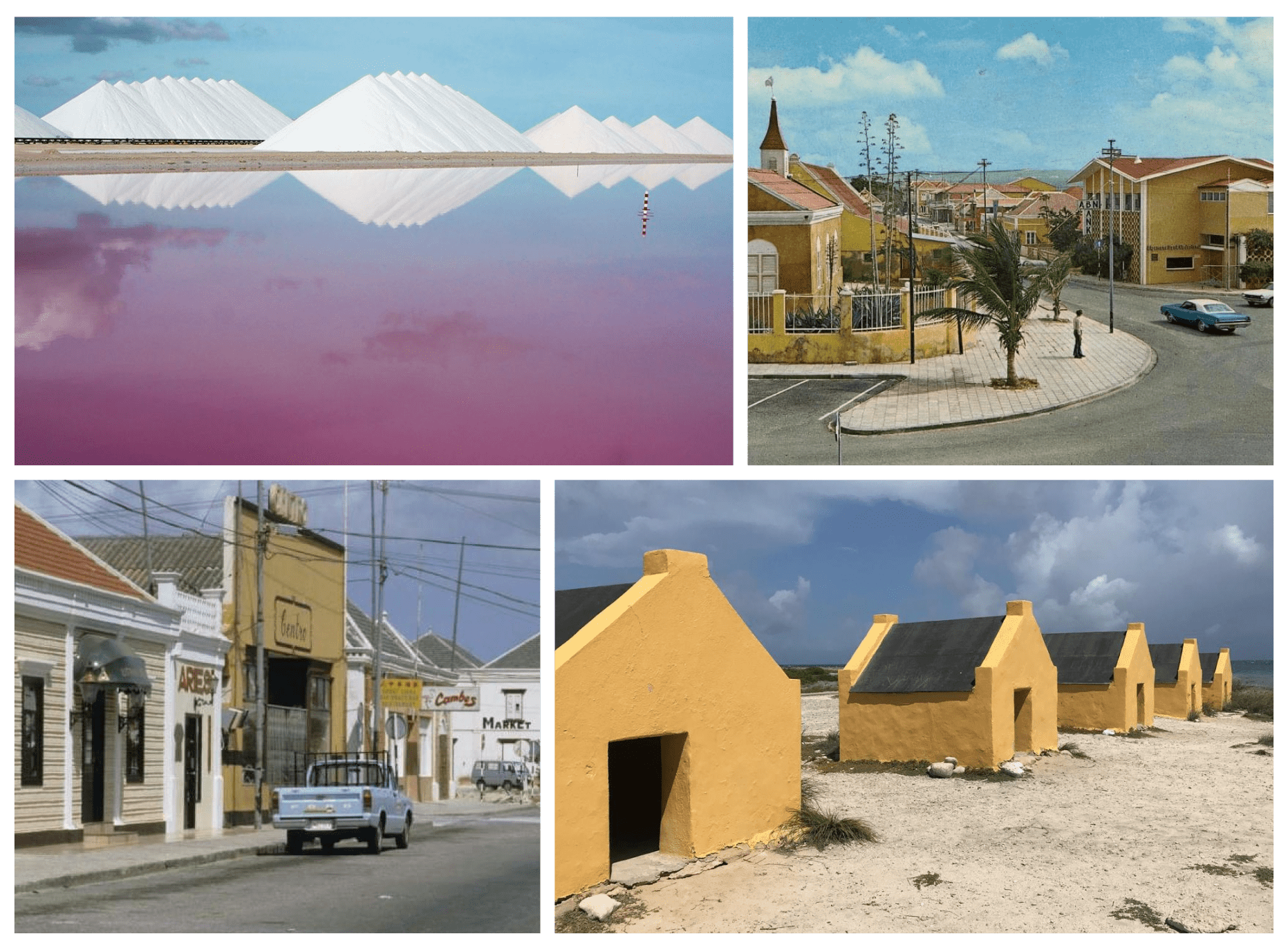
HISTORY ABOUT BONAIRE
In 1499, Bonaire was discovered by Spaniards Amerigo Vespucci and Alonso de Ojeda. By 1636 the Dutch took possession of the island of Bonaire. There is a plaque in Wilhelmina park where you can find the honors of Mr. van Wallbeeck, the island's first Commander. In 1600 African slaves were brought to work on the island.
During the period of 1799 - 1816, sometimes referred to as the “time of confusion”, the island was occupied on and off by various countries and individuals. This was due to changing European politics, which in turn affected the Caribbean Islands. In 1816, Bonaire returned back to the Dutch. Bonaire's earliest known inhabitants were the Caquetio, a branch of the Arawak who came by canoe from Venezuela in about 1000 AD. Archeological remains of Caquetio culture have been found at certain sites northeast of Kralendijk and near Lac Bay. Caquetio rock paintings and petroglyphs have been preserved in caves at Spelonk, Onima, Ceru Pungi and Ceru Crita-Cabai. The Caquetios were apparently very tall people, for the Spanish name for the ABC Islands was 'las Islas de los Gigantes' or 'the islands of the giants'. The name 'Bonaire' is thought to have originally come from the Caquetio word 'Bonay', a name that meant 'low country'. The early Spanish and Dutch modified its spelling to Bojnaj and also Bonaire. French influence, while present at various times, was never strong enough to make the assumption that the name means 'good air'.